
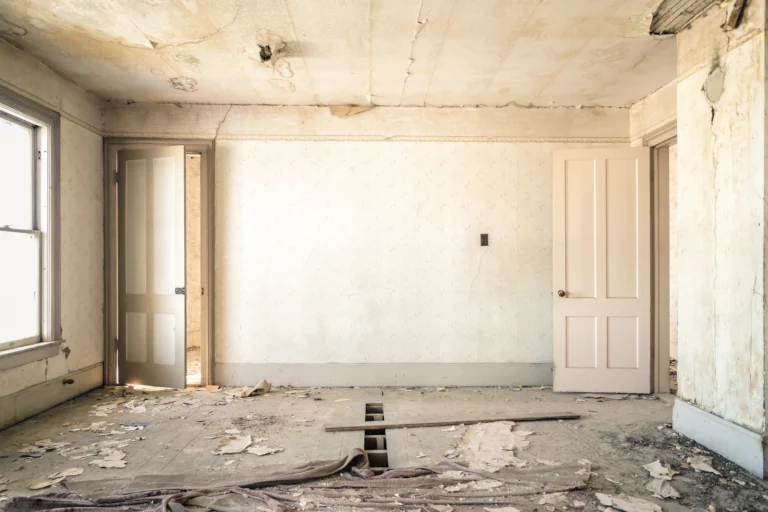
A vacant house feels like it should be the easy part of a move. Nobody is living there, nothing is getting worn out, and you can sell whenever you’re ready. In my experience, it’s usually the opposite. Over 23 years of selling Bay Area homes, I’ve seen empty houses pick up leaks no one noticed, break-ins, squatters, and insurance problems that cost owners far more than they expected.
Whether the home belonged to a parent who moved into care, you’ve relocated for work, or a tenant just moved out, here’s what to watch for and how to decide between preparing the house for market and selling it as-is.
Table of Contents
Why a Vacant House Costs More Than You Think
An empty home still comes with a mortgage, property taxes, insurance, utilities, landscaping, and sometimes HOA dues. In the Bay Area, those carrying costs can easily run several thousand dollars a month on a typical single-family home, and the cost of selling doesn’t shrink while you wait.
Property taxes are especially worth watching for inherited homes, since a reassessment can change the bill. The Board of Equalization’s property tax overview explains how California taxes work. Every month a vacant house sits, those costs come straight out of your eventual proceeds.
Insuring a Vacant Home
This is the part that surprises owners most. Many standard homeowners policies limit or exclude coverage once a home has been unoccupied for a set period, often around 60 days. That can include vandalism, glass breakage, and water damage, which are exactly the risks a vacant house faces.
Call your insurance agent as soon as the home becomes empty. You may need a vacant dwelling policy or an endorsement, which typically costs more but protects you while the house is on the market. The California Department of Insurance residential guide and its consumer help pages are good places to start, and the Insurance Information Institute has helpful background on what policies cover.
The Biggest Risks to an Empty Property
Here’s what I see most often with a vacant house in the Bay Area:
- Undetected water damage. A slow leak can run for weeks before anyone notices, leading to mold and costly repairs. The EPA’s mold and moisture guide explains why speed matters.
- Break-ins and theft. Appliances, copper pipe, and fixtures are targets.
- Squatters. Empty homes attract them, and removal can take time. I cover this in squatters rights in California.
- Fire risk. Unattended homes with overgrown yards are a concern, especially in hillside areas. The National Fire Protection Association has prevention resources.
- Pests and deterioration. Rodents, insects, and general wear move in when people move out.
Turn off the water at the main if you can, keep the yard maintained, stop the mail, use timers on lights, and have someone check the property at least weekly.

Curious about selling your Bay Area home off-market?
All that hassle can add stress, months to the process, and in the end after paying the agent’s expensive fees, you may or may not be ahead of the game.
Request a Ballpark Offer!
Fill out this form to request a quick, no-obligation Ballpark Offer on your home – right over the phone. Get a price range for a quick off-market sale
- Get a ballpark offer over the phone or even via text message
- No visit to your home is required
- There’s absolutely no obligation
- Get a solid idea what you can sell for quick, quietly, off-market
Preparing a Vacant House for Market
If the home is in good shape and you have the time, a vacant house can sell well. Empty rooms are easy to paint, clean, and stage, and buyers can tour freely. My home staging tips and guide to what to fix before listing explain where to put your money.
Staging an empty home makes a real difference in photos. In my experience, rooms without furniture look smaller online, and buyers have trouble picturing how to use them.
Managing a Vacant House From Out of Town
A lot of the owners I work with don’t live anywhere near the property. They’re adult children in Seattle or Austin handling a parent’s home, or sellers who already moved for a new job. Managing a vacant house from a distance is hard, because every small problem needs someone local to look at it.
If that’s you, line up a few people before you leave: a neighbor who will call if something looks off, a handyman who can respond quickly, and a property manager or agent who can check the house weekly and send photos. Keep a written list of shutoff locations, alarm codes, and contractor numbers. Those simple steps prevent most of the expensive surprises I see with an empty home.
When to Sell a Vacant House As-Is
Selling as-is often makes more sense if you live out of the area, the home needs significant work, there are belongings to clear out, or the carrying costs are piling up. That’s common with inherited homes and when an owner has relocated on a deadline. If a parent has moved, my recommendations for longtime homeowners who are relocating may help.
A cash buyer can close in a couple of weeks and take the house with everything left inside. See how our network buys houses and my guide to selling a house that needs work.
If your vacant house is costing you money every month, get a ballpark offer or request a cash offer to compare against a listing. Or contact me and I’ll help you weigh it.
Frequently Asked Questions
Does homeowners insurance cover a vacant house?
Often only partly. Many policies limit coverage once a home has been unoccupied for a set period, frequently around 60 days. Talk to your agent about a vacant dwelling policy or endorsement.
Is it better to sell a house vacant or furnished?
A vacant house is easier to clean, repair, and show, but empty rooms can look smaller in photos. Staging usually helps a vacant home sell faster and for more.
How do I protect a vacant house from break-ins and squatters?
Keep it looking lived in with timers, yard care, and mail service. Check on it weekly, secure all entry points, and talk to your local police department about trespass authorization for vacant properties.
What are the carrying costs of a vacant house?
Expect to keep paying the mortgage, property taxes, insurance, utilities, landscaping, and any HOA dues. In the Bay Area these can add up to several thousand dollars a month.
Can I sell a vacant house with belongings still inside?
Yes. Cash buyers commonly purchase vacant homes with furniture and belongings left behind and handle the cleanout themselves.
About the author: Seb Frey is a licensed California real estate broker (DRE #01369847) with more than 23 years of experience and over 460 closed transactions across Silicon Valley and Santa Cruz County. He writes for Bay Area Buyers Network about selling homes in tough situations, and he has been ranked in the top 1.5% of agents nationwide by RealTrends.
