
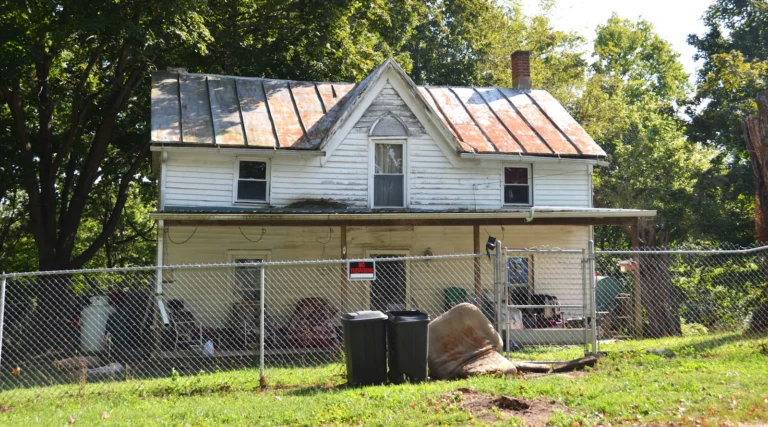
Few calls I get are as upsetting as the one from an owner who drives by a vacant property and finds strangers living in it. Usually it’s an inherited house, a rental between tenants, or a home that’s been sitting empty during a long probate, and the first thing they want to know is what squatters rights in California actually allow. The short answer is that squatters have far fewer rights than the internet suggests, but getting them out still takes the right steps in the right order.
I’ve spent more than 23 years helping Bay Area owners sell homes in difficult situations, including properties with people living in them who had no business being there. Here’s what the law says, how removal works, and when it makes more sense to sell the property as-is and let someone else deal with it.
Table of Contents
What Squatters Rights in California Really Mean
The phrase squatters rights in California usually refers to adverse possession, a legal doctrine that lets someone claim title to property they’ve occupied for a long time. In practice, it’s very hard to pull off here. Under Code of Civil Procedure Section 325, the occupant has to possess the property openly and continuously for five years and pay all the property taxes during that time.
That second requirement stops almost every squatter cold. If you’ve been paying the tax bill, and most owners have, no squatter is going to take your title. The real problem isn’t losing ownership. It’s the time, cost, and stress of getting possession back, plus the damage that can happen while they’re inside.
It’s also worth knowing what squatters rights in California don’t cover. A person who broke in or moved in without permission is a trespasser, not a tenant, and trespassing is a crime under Penal Code Section 602.
Trespasser or Tenant? Why the Difference Matters
How you remove someone depends on whether the law sees them as a trespasser or a tenant. If they entered without permission and never paid rent or had an agreement, police can often treat it as a criminal trespass. If they claim a rental agreement, even a fake one, or they’ve been there long enough to look like occupants, officers frequently call it a civil matter and tell you to go to court.
That’s when squatters rights in California start to feel real to owners. A squatter who produces a lease, receives mail at the address, or claims they paid rent to someone may force you into the same unlawful detainer process a landlord uses. I walk through that process step by step in my post on the eviction process in California, and the California Courts landlord guide covers the forms.
Whatever you do, don’t change the locks with them inside, shut off utilities, or remove their belongings yourself. Self-help evictions can expose you to liability even when the occupant had no right to be there.
How to Remove Squatters From a Bay Area Property
Here’s the order I suggest to owners who discover people living in a property they own:
- Call the police right away. The sooner you report it, the more likely officers will treat it as a trespass. Bring proof of ownership, like your deed or tax bill.
- Ask about a trespass authorization letter. Many local police departments let owners of vacant properties keep a letter on file so officers can act when you aren’t there. Ask your department how it works locally.
- Document everything. Take photos of the exterior, note dates, and keep copies of any notes or documents the occupants show.
- Hire a landlord-tenant attorney if police won’t act. If it becomes a civil matter, an attorney can serve notice and file an unlawful detainer quickly.
- Secure the property once it’s empty. Change locks, board openings if needed, and set up regular checks.
Every case is different, and squatters rights in California get decided on the specific facts. If anything about the situation feels unsafe, let the police and your attorney handle contact with the occupants.

Curious about selling your Bay Area home off-market?
All that hassle can add stress, months to the process, and in the end after paying the agent’s expensive fees, you may or may not be ahead of the game.
Request a Ballpark Offer!
Fill out this form to request a quick, no-obligation Ballpark Offer on your home – right over the phone. Get a price range for a quick off-market sale
- Get a ballpark offer over the phone or even via text message
- No visit to your home is required
- There’s absolutely no obligation
- Get a solid idea what you can sell for quick, quietly, off-market
Why Vacant Properties Attract Squatters
In my experience, the homes that get targeted share a few traits. They look empty, the yard is overgrown, mail piles up, and no one checks on them. Inherited homes are especially vulnerable, since families often live out of the area and probate can drag on for a year or more. If you’re in that situation, my guide to selling an inherited house in California explains how to move things along.
Insurance is another reason to act quickly. Many homeowners policies limit coverage once a home has been vacant for a period of time, so check with your carrier and the California Department of Insurance consumer resources if the house is empty. And keep paying the property tax bill no matter what, which you can confirm through the Board of Equalization property tax overview.
Selling a House With Squatters Still Inside
Here’s what a lot of owners don’t realize: you can sell the property before the squatters are gone. A traditional buyer with a mortgage won’t touch it, but cash buyers who buy houses as-is will. They price in the cost and time of removal, take over the problem at closing, and you’re done.
That’s often the right call when the property also needs major work, when you live far away, or when you’re simply worn out. I explain how investors arrive at a number in how cash buyers evaluate and price Bay Area homes, and you can compare a direct sale with listing in agent vs. investor. You’ll still need to disclose what you know, so read my post on California seller disclosures.
If you want to see the numbers first, get a ballpark offer or request a firm cash offer. We buy in San Jose, Santa Cruz, and across the Bay Area, and you can always reach me directly to talk it through.
Frequently Asked Questions
Can squatters get my house under squatters rights in California?
It’s extremely unlikely. Adverse possession in California requires five years of open, continuous possession and payment of all property taxes during that time. If you’ve paid your taxes, a squatter can’t claim your title.
Will the police remove squatters in California?
Often, if the occupants are clearly trespassers and you report it quickly with proof of ownership. If they claim a lease or tenancy, police may treat it as a civil matter that requires an unlawful detainer in court.
How long does it take to remove squatters in the Bay Area?
A clear trespass case can be resolved in days. If it becomes an unlawful detainer, expect one to several months depending on whether the occupants contest it.
Can I sell a house that has squatters in it?
Yes. Cash buyers who purchase as-is will buy occupied properties and handle removal themselves. Expect the price to reflect the time and cost they’ll take on.
How do I keep squatters out of a vacant house?
Keep the property looking lived in, check on it regularly, keep utilities and landscaping maintained, stop mail buildup, and ask your local police department about filing a trespass authorization letter.
About the author: Seb Frey is a licensed California real estate broker (DRE #01369847) with more than 23 years of experience and over 460 closed transactions across Silicon Valley and Santa Cruz County. He writes for Bay Area Buyers Network about selling homes in tough situations, and he has been ranked in the top 1.5% of agents nationwide by RealTrends.
