
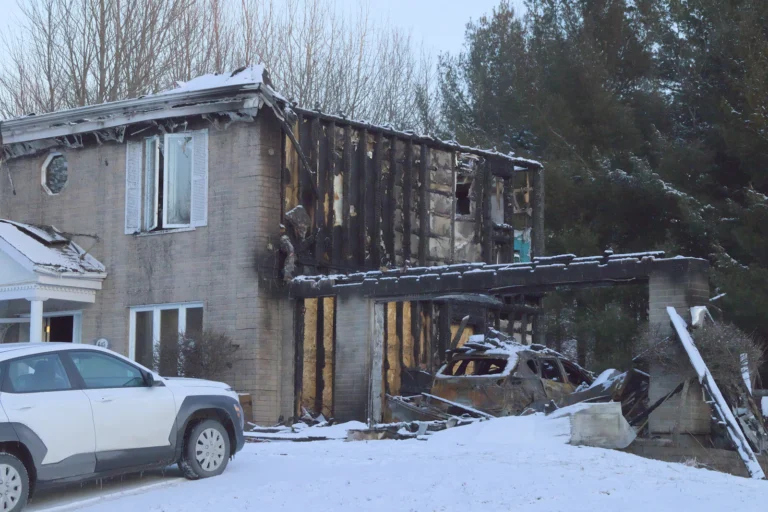
Few things upend a family like a fire damaged house. One day it’s your home, and the next it’s an insurance claim, a list of contractors, and a big question about whether you even want to rebuild. Water damage can be just as disruptive when a pipe bursts or a slow leak turns into mold. I’ve been selling homes in Santa Clara and Santa Cruz counties for more than 23 years, and I’ve helped owners work through both.
There isn’t one right answer. Some families rebuild and stay. Others realize they’d rather take the insurance money, sell the property as-is, and start fresh somewhere else. Here’s how to think through it.
Table of Contents
First Steps After a Fire or Water Loss
Safety comes first. Don’t enter a fire damaged house until the fire department says it’s safe, and shut off utilities if you can do so safely. Then start documenting everything with photos and video before anything is cleaned up or moved.
- Call your insurance company right away and get a claim number.
- Ask about additional living expenses if you can’t stay in the home.
- Secure the property with board-up and tarps to prevent more damage, and save every receipt.
- Start a contents inventory. It’s tedious, but it often makes a big difference in the claim.
United Policyholders is a nonprofit with excellent free guides for navigating claims, and the California Department of Insurance disaster resources explain your rights as a policyholder.
Water Damage Moves Fast
A water damaged house needs attention within a day or two. The EPA’s mold cleanup guidance recommends drying wet materials within 24 to 48 hours to help prevent mold growth. After that window, drywall, insulation, carpet, and subfloor often have to come out.
Water damage that isn’t handled properly becomes a long-term disclosure issue and a headache for buyers’ inspectors. If the home has been vacant, check my post on protecting a vacant house for ways to catch leaks early.
Rebuild or Sell a Fire Damaged House?
Rebuilding can take a long time in the Bay Area. Permits, contractor availability, and insurance negotiations all add months. The 2020 CZU Lightning Complex fire showed many Santa Cruz Mountains owners in Ben Lomond, Felton, and nearby communities just how long that road can be.
Questions I ask owners to think about:
- Do you want to live in this home again once it’s rebuilt?
- Can you manage a major construction project for a year or more?
- Does your insurance cover the full cost to rebuild, or is there a gap?
- Would you rather use the money to buy a home somewhere else?
In declared disasters, California law gives policyholders more flexibility in how they use replacement cost benefits, including in some cases buying elsewhere instead of rebuilding. Ask your adjuster or an attorney how your policy works before you decide.

Curious about selling your Bay Area home off-market?
All that hassle can add stress, months to the process, and in the end after paying the agent’s expensive fees, you may or may not be ahead of the game.
Request a Ballpark Offer!
Fill out this form to request a quick, no-obligation Ballpark Offer on your home – right over the phone. Get a price range for a quick off-market sale
- Get a ballpark offer over the phone or even via text message
- No visit to your home is required
- There’s absolutely no obligation
- Get a solid idea what you can sell for quick, quietly, off-market
Don’t Overlook Property Tax Relief
Many owners don’t realize California offers property tax relief after a calamity. If your home suffered significant damage from a fire, flood, or other disaster, you can usually apply to your county assessor for a temporary reassessment that lowers the taxable value until the home is repaired. There are deadlines, typically within a year of the damage, so don’t wait.
The Board of Equalization’s property tax pages explain how reassessments work in California. It won’t fix the house, but every dollar you save on a fire damaged house that’s sitting empty is a dollar that stays in your pocket while you decide what to do.
Selling a Damaged House As-Is
You can sell a fire damaged house or water damaged house in its current condition. Traditional buyers with mortgages usually can’t, because lenders won’t finance a home that isn’t habitable. Cash buyers who buy houses in any condition can, and they’ll price the property based on its land value, the rebuild cost, and the neighborhood. I break that down in how cash buyers evaluate Bay Area homes.
How your insurance claim and the sale interact depends on your policy and timing, so coordinate with your adjuster before you sign a contract. And always disclose the damage and any repairs. My guide to California seller disclosures explains why.
For lighter damage, a repair-and-list approach may net more. Read how to sell a house that needs work and what to fix before listing, and hire licensed contractors you’ve checked through the CSLB.
Moving Forward
Once the immediate crisis is over, the decision comes down to numbers and energy. Compare the as-is sale price, your insurance proceeds, and the true cost and time to rebuild, including the cost of selling later. For prevention tips that can help with your next home, the National Fire Protection Association is a great resource.
When you’re ready, get a ballpark offer on the property as it sits, request a firm cash offer, or contact me. I know how hard this is, and I’m happy to just talk through your options.
Frequently Asked Questions
Can I sell a fire damaged house without repairing it?
Yes. Cash buyers regularly purchase fire damaged houses as-is. Traditional buyers usually can’t, because lenders won’t finance a home that isn’t livable.
Do I have to disclose fire or water damage when selling?
Yes. California sellers must disclose known material defects, including past fire or water damage and the repairs made.
How fast do I need to deal with water damage?
As fast as possible. The EPA recommends drying wet materials within 24 to 48 hours to help prevent mold growth.
Can I keep the insurance money if I sell my fire damaged house?
It depends on your policy, the type of benefits, and timing. Talk with your adjuster or an attorney before you sign a sale contract.
Is it better to rebuild or sell after a fire?
It depends on whether you want to return, how fully insurance covers rebuilding, and whether you can manage a long construction project. Many owners compare an as-is cash offer with their rebuild estimate before deciding.
About the author: Seb Frey is a licensed California real estate broker (DRE #01369847) with more than 23 years of experience and over 460 closed transactions across Silicon Valley and Santa Cruz County. He writes for Bay Area Buyers Network about selling homes in tough situations, and he has been ranked in the top 1.5% of agents nationwide by RealTrends.
