
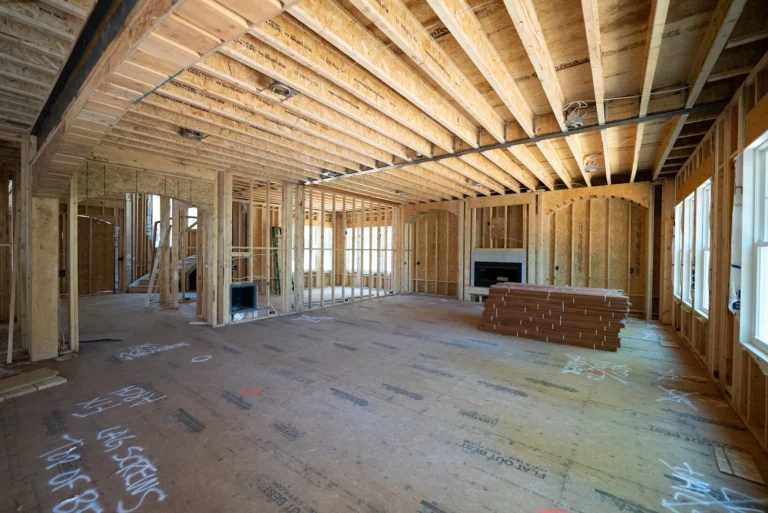
If you’ve owned a Bay Area home for a while, there’s a decent chance something in it was built without a permit. Over 23 years of selling homes here, I’ve seen garage conversions, enclosed patios, bonus rooms, backyard units, and bathroom additions that never saw an inspector. Sometimes the owner did the work. More often it came with the house, and the code violations only surface when it’s time to sell.
Unpermitted work and open code violations don’t make a house unsellable. They do change who will buy it, how it gets priced, and what you need to disclose. Here’s how I walk sellers through it.
Table of Contents
Common Code Violations in Bay Area Homes
The housing shortage pushed a lot of homeowners to create extra living space without going through the city. These are the issues I run into most:
- Garage conversions turned into bedrooms or rentals, often without proper egress, fire separation, or ventilation.
- Unpermitted additions like enclosed porches, sunrooms, and second-story bonus rooms.
- Backyard units built before the state made ADUs easier to permit.
- Electrical and plumbing work done by unlicensed handymen, including added bathrooms and panel upgrades.
- Open code violations from a neighbor complaint or a city inspection that were never closed out.
Some are minor. Others raise real safety concerns, and those are the code violations that matter most to buyers, insurers, and lenders.
How Unpermitted Work Affects Value and Financing
Appraisers often won’t count unpermitted square footage as legal living space. A three-bedroom house where one bedroom is a converted garage may appraise as a two-bedroom, and that gap can sink a buyer’s loan. Lenders may also flag unpermitted units or require repairs before funding.
Insurance can be another hurdle. If unpermitted electrical work causes a fire, a carrier may push back on the claim, so buyers and their agents increasingly ask hard questions. I tell sellers to expect it and get ahead of it.
Open code violations carry extra weight because they’re on the city’s books. Depending on the city, unresolved cases can lead to fines and even recorded liens that have to be dealt with before or during escrow.
Here’s a pattern I see often in San Jose, Sunnyvale, and Santa Clara: a seller lists a home as four bedrooms, the buyer’s agent pulls the permit history, and the fourth bedroom turns out to be an unpermitted garage conversion. The buyer either asks for a big price cut or walks. It’s far better to know your permit history before you list, which you can usually request from your city’s building department, so the code violations are priced in from day one instead of discovered in escrow.
Your Disclosure Duties for Code Violations
California sellers have to disclose known material facts, and the Transfer Disclosure Statement under Civil Code Section 1102.6 specifically asks about room additions, structural changes, and other work done without permits. If you know about code violations or unpermitted work, disclose them. Hiding them is one of the fastest routes to a lawsuit after closing.
The California Association of REALTORS® risk management resources are a good reference, and my own guide to California seller disclosures explains what to share and how. When in doubt, disclose.

Curious about selling your Bay Area home off-market?
All that hassle can add stress, months to the process, and in the end after paying the agent’s expensive fees, you may or may not be ahead of the game.
Request a Ballpark Offer!
Fill out this form to request a quick, no-obligation Ballpark Offer on your home – right over the phone. Get a price range for a quick off-market sale
- Get a ballpark offer over the phone or even via text message
- No visit to your home is required
- There’s absolutely no obligation
- Get a solid idea what you can sell for quick, quietly, off-market
Fix, Legalize, or Sell As-Is?
Once you know what you’re dealing with, you have three realistic choices.
Legalize the unpermitted work
Many cities offer an as-built permit process. Expect plans, inspections, and possibly opening walls so inspectors can see wiring and framing. State law has also made it easier to legalize some older backyard units, and the California HCD accessory dwelling unit page tracks those rules. Building standards come from the California Building Standards Commission, and your city’s building department applies them.
Remove it
Sometimes it’s cheaper to restore a garage to a garage than to bring a conversion up to code. Use a licensed contractor you’ve checked through the CSLB’s hiring guide.
Disclose it and sell as-is
This is the simplest path when the work is extensive or the fix is expensive. Cash buyers who buy houses as-is don’t rely on appraisals or loans, so unpermitted work doesn’t kill the deal. My post on selling a house that needs work covers pricing a property in this condition.
How I Help Sellers Decide
I start by getting a clear picture of what was built and whether there’s an open case with the city. Then I compare three numbers: the as-is cash price, the cost and timeline to legalize or remove the code violations, and the likely list price once that’s done. My post on what it really costs to sell and my guide to what to fix and what to skip help with that math.
Timing matters too. If you need to sell on a deadline because you’re relocating, a permit process that takes four to six months may simply not fit, no matter how good the numbers look on paper.
Many sellers are surprised how close the numbers come once permit fees, contractor costs, and months of carrying costs are counted. If your listing keeps falling out of escrow because of permit questions, read why isn’t my house selling and compare an off-market sale.
When you want a number, get a ballpark offer or request a cash offer. Or contact me and tell me what was built, and I’ll give you my honest take.
Frequently Asked Questions
Can I sell a house with code violations in California?
Yes. You can sell with code violations or unpermitted work as long as you disclose what you know. Traditional buyers may struggle with financing, but cash buyers purchase these homes regularly.
Do I have to disclose unpermitted work when selling?
Yes. California’s Transfer Disclosure Statement asks about additions and alterations made without permits. If you know about unpermitted work, you need to disclose it.
Will unpermitted square footage count in my home’s value?
Often it won’t. Appraisers frequently exclude unpermitted living space, which can lower the appraised value and create problems for a buyer’s loan.
Should I get permits before selling?
It depends on cost and time. Legalizing can add value, but it may require opening walls and making upgrades. Compare the cost and timeline with the as-is price before deciding.
What happens if there is an open code enforcement case?
An open case may carry fines or recorded liens that need to be resolved before or at closing. A cash buyer may agree to take the property with the case open and handle it after closing.
About the author: Seb Frey is a licensed California real estate broker (DRE #01369847) with more than 23 years of experience and over 460 closed transactions across Silicon Valley and Santa Cruz County. He writes for Bay Area Buyers Network about selling homes in tough situations, and he has been ranked in the top 1.5% of agents nationwide by RealTrends.
