
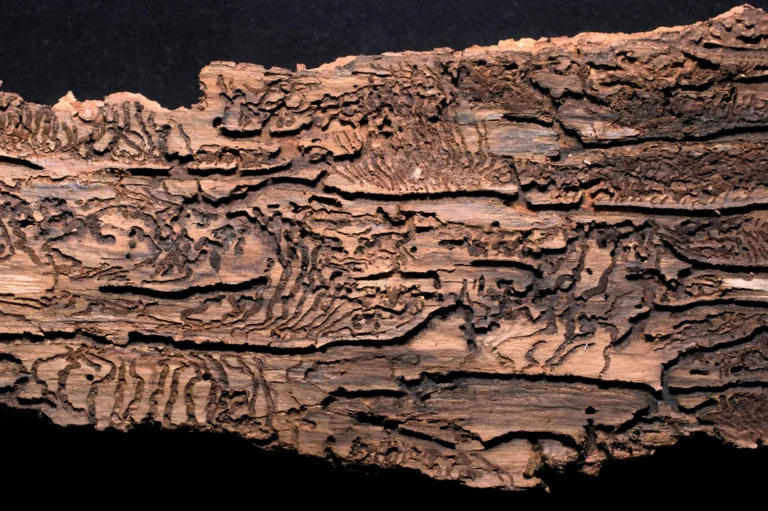
Almost every Bay Area home sale I’ve handled in the last 23 years has included a termite report, and a good share of them turned up termite damage the sellers had no idea about. It’s one of the most common surprises in a California transaction, and it can knock a deal sideways right when you thought you were done.
The good news is that termite damage is a known, fixable, and negotiable problem. Here’s how the inspection report works, what repairs typically involve, who usually pays, and when it makes more sense to sell the house as-is instead of opening up walls.
Table of Contents
Why Termite Damage Comes Up in So Many Bay Area Sales
California has two main troublemakers. Drywood termites live inside the wood they eat and are common in coastal areas, while subterranean termites nest in the soil and travel up into a house through mud tubes. The UC Integrated Pest Management guide to termites and its drywood termite pest note explain the differences well.
Older housing stock makes it worse. Many homes in Willow Glen, Los Gatos, Campbell, and Santa Cruz were built before modern treated lumber and moisture barriers, and decades of small leaks and wood-to-soil contact give termites and fungus plenty to work with. If you own an older home, my post on selling an older property vs. a newer one covers other issues buyers look for.
How a Termite Report Works: Section 1 vs. Section 2
A wood-destroying pests and organisms inspection is done by a company licensed through the California Structural Pest Control Board. The inspector writes up findings and splits them into categories that drive the whole negotiation:
- Section 1 covers active infestation or infection and existing termite damage or fungus damage. These are the items lenders and buyers care about most.
- Section 2 covers conditions likely to lead to future problems, like a leaky shower pan or wood touching soil, but no active damage yet.
- Further inspection items are areas the inspector couldn’t access, which can hide more termite damage.
California’s Civil Code Section 1099 covers delivering the inspection report and completion notice to the buyer when the contract calls for them. In practice, I tell sellers to assume any report they order will end up in the buyer’s hands.
What Termite Damage Repair Usually Costs
Termite damage repair is really two jobs. First is the treatment, which can mean tenting the whole house for drywood termites or treating the soil for subterranean ones. Second is replacing damaged wood, and that’s where costs vary the most. A few damaged eaves are a small job. Rotted sill plates, joists, or a deck that has to come down entirely can run into the tens of thousands.
Section 1 work is the part most buyers expect sellers to handle, either by completing it before close or crediting the cost in escrow. Section 2 work is more often left to the buyer. Get your contractors’ licenses checked through the Contractors State License Board before any structural repair begins.
Fixing termite damage before listing can make sense, but only when the numbers work. I walk through that math in what to fix before selling and what to skip.

Curious about selling your Bay Area home off-market?
All that hassle can add stress, months to the process, and in the end after paying the agent’s expensive fees, you may or may not be ahead of the game.
Request a Ballpark Offer!
Fill out this form to request a quick, no-obligation Ballpark Offer on your home – right over the phone. Get a price range for a quick off-market sale
- Get a ballpark offer over the phone or even via text message
- No visit to your home is required
- There’s absolutely no obligation
- Get a solid idea what you can sell for quick, quietly, off-market
Who Pays for Termite Damage in a California Sale?
Nothing in state law forces a seller to fix termite damage. It’s negotiated in the purchase contract. In a strong market, buyers sometimes accept the report as-is. In a softer market, or when a buyer’s lender requires a Section 1 clearance, the seller usually pays for those repairs or gives a credit.
My negotiation tips for Bay Area sellers cover how to handle repair requests without losing the buyer. If you’re in escrow and the termite damage is threatening the deal, a credit is usually cleaner than trying to rush repairs before closing.
Whatever you decide, termite damage has to be disclosed if you know about it. Read my guide to California seller disclosures so nothing comes back to haunt you after the sale.
When Selling As-Is Beats Fixing Termite Damage
Selling a house with termite damage as-is makes the most sense when the damage is extensive, when there are other big repairs too, or when you don’t have the cash or time to manage contractors. Investors who buy houses as-is don’t need a Section 1 clearance because they aren’t using a conventional loan.
They’ll price the property with repairs in mind, which I explain in how cash buyers evaluate Bay Area homes. Compare that number with a fix-and-list plan using the real costs of selling, and look at my guide to selling a house that needs work.
If your house has already been on the market and buyers keep backing out after the report, read why houses don’t sell. Then get a ballpark offer, request a firm cash offer, or reach out to me with your termite report in hand and I’ll give you my honest read.
Frequently Asked Questions
Do I have to fix termite damage before selling my house in California?
No. California doesn’t require sellers to repair termite damage. Who pays is negotiated in the contract, although some loan programs require Section 1 work to be completed before closing.
What is the difference between Section 1 and Section 2 on a termite report?
Section 1 items are active infestations or existing damage. Section 2 items are conditions likely to cause future problems but with no current damage. Sellers usually handle Section 1, while Section 2 is more often negotiable.
How much does termite damage repair cost?
Treatment alone may cost a few thousand dollars for tenting a typical home. Wood repairs vary widely, from minor trim replacement to structural work on sill plates, joists, or decks that can cost much more.
Do I have to disclose termite damage?
Yes. If you know about termite damage or past treatment, you need to disclose it to the buyer, even when selling as-is.
Can I sell a house with termite damage as-is?
Yes. Cash buyers routinely purchase homes with termite damage as-is and handle treatment and repairs themselves, which avoids the need for a Section 1 clearance.
About the author: Seb Frey is a licensed California real estate broker (DRE #01369847) with more than 23 years of experience and over 460 closed transactions across Silicon Valley and Santa Cruz County. He writes for Bay Area Buyers Network about selling homes in tough situations, and he has been ranked in the top 1.5% of agents nationwide by RealTrends.
