
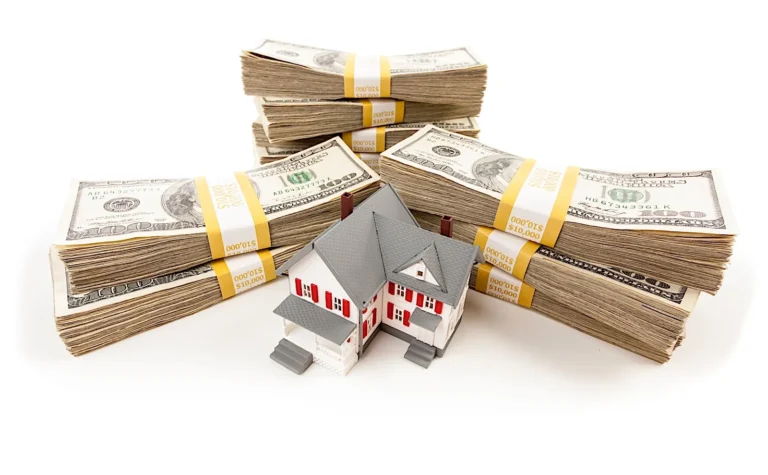
How to sell your Bay Area home fast — without listing it on the MLS
The Bay Area real estate market plays by its own rules. Homes in Santa Clara County regularly sell for $200,000–$400,000 over asking. Probate properties in San Mateo sit unsold for months while families navigate court timelines. Longtime homeowners in the East Bay are sitting on 30 years of equity — but facing the disruption, repairs, and uncertainty of a traditional listing. If you need to sell your Bay Area home quickly, the path that makes the most sense depends heavily on your situation — and in this market, a traditional MLS listing isn’t always the fastest or most profitable route.
1. Know Which Kind of “Fast” You Actually Need
There are two very different versions of a fast sale in the Bay Area. The first is listing on the MLS with aggressive pricing and an offer deadline — common in hot submarkets like Cupertino, Sunnyvale, and San Ramon, where well-prepared homes can receive multiple offers in a week. The second is an off-market cash sale, where you skip the listing entirely and sell directly to a vetted buyer — closing in as few as 7–14 days, with no showings, no repairs, and no commissions. If your priority is certainty and speed over maximum price, the off-market route is often the stronger choice — especially for inherited properties, homes in need of significant repairs, or owners facing a life transition.
2. Price Aggressively for the Specific Submarket
The Bay Area is not one market — it’s dozens. A pricing strategy that works in Fremont may backfire in Los Gatos. In South Bay cities with strong tech buyer demand, pricing 5–8% below comparable sales and setting an offer deadline often triggers bidding wars that push the final price well above list. In slower submarkets — parts of the East Bay, the Santa Cruz Mountains, or transitional neighborhoods — overpricing by even 3% can add 60+ days to your timeline and ultimately cost you more than pricing it right from day one.
3. Understand What Repairs Are Actually Worth Doing
In a market where buyers expect move-in ready homes and routinely waive inspection contingencies, sellers often over-invest in pre-sale renovations that don’t return their cost. A full kitchen remodel rarely recoups its value in a fast-sale scenario. What does move the needle: fresh interior paint, refinished hardwood floors, updated lighting, and landscaping. These high-visibility, lower-cost improvements consistently improve buyer perception and appraisal values. If the property needs major work — a new roof, foundation issues, outdated electrical — an off-market as-is sale may net you more money than spending $80,000 on renovations to capture $60,000 in additional offer price.
4. Consider the True Cost of a Traditional Listing
Bay Area sellers routinely underestimate the carrying cost of a traditional sale. At current mortgage rates, holding a $1.2M home for an additional 60 days costs roughly $6,000–$8,000 in interest alone — before property taxes, utilities, insurance, or staging fees. Add a 5% commission on a $1.4M sale and you’re looking at $70,000 in transaction costs before closing. For many sellers, particularly those downsizing, settling an estate, or relocating on a firm timeline, an off-market sale that closes in two weeks at a slightly lower price still results in more money in hand.
5. Leverage Prop 19 If You’re 55 or Older
California’s Proposition 19 allows homeowners 55 and older to transfer their existing property tax base to a new primary residence anywhere in California — up to three times in their lifetime. For longtime Bay Area owners who purchased their home decades ago, this can mean retaining a tax base of $200,000 on a replacement property now worth $900,000. Timing your sale strategically around Prop 19 — and coordinating with a real estate attorney or CPA before you list — can save tens of thousands annually in property taxes. This is especially relevant for seniors downsizing from larger homes in established neighborhoods like Willow Glen, Palo Alto, or Danville.
6. Prepare for the Disclosure Process
California has some of the most comprehensive seller disclosure requirements in the country. The Transfer Disclosure Statement, Natural Hazard Disclosure, and any known material defects must all be documented accurately — and failure to disclose can expose you to liability years after the sale closes. Getting your disclosures prepared and your NHD report ordered before you list (or before entering into any off-market agreement) keeps the transaction on track and signals to buyers that you’re a serious, transparent seller. Buyers in the Bay Area are sophisticated — incomplete disclosures generate requests, delays, and renegotiations.
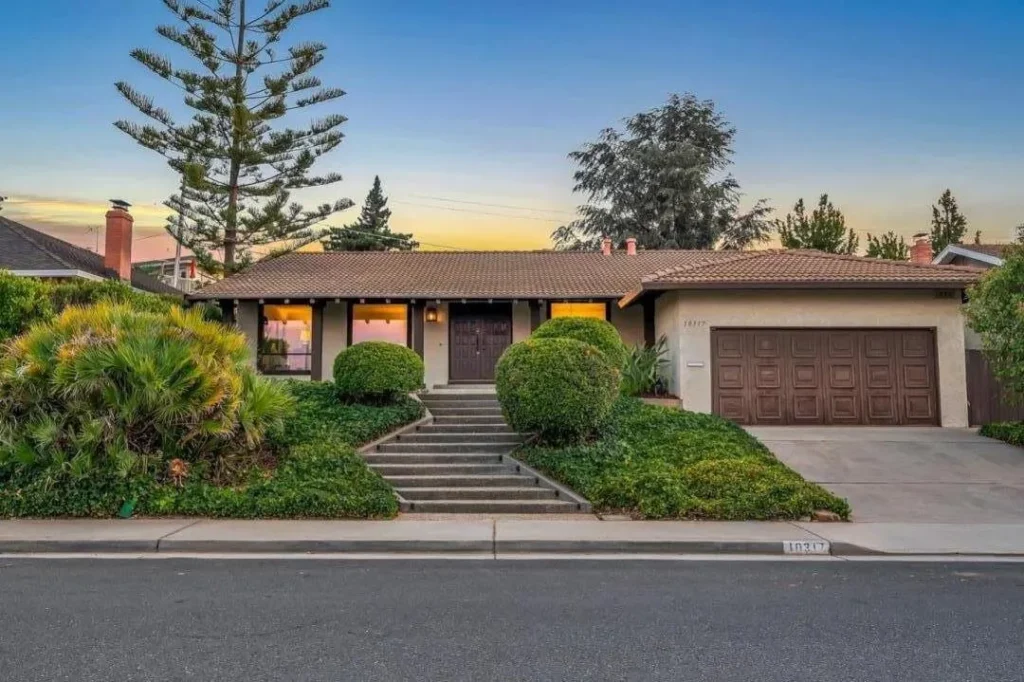
What’s
YOUR HOME WORTH?
7. Know Your Off-Market Options
Off-market sales in the Bay Area have become a mainstream strategy — not just for distressed sellers, but for any homeowner who values privacy, certainty, and a clean close over squeezing the last dollar from an open-market bidding war. The Bay Area Home Buyers Network connects sellers directly with vetted, financially ready buyers who are actively acquiring properties in every Bay Area county. There’s no parade of strangers through your home, no financing contingencies, no last-minute renegotiations after inspection. You receive a competitive offer, pick your closing date, and sell as-is.
8. Time the Market — But Don’t Wait Forever
Spring remains the strongest listing season in the Bay Area, with March through June historically producing the highest buyer activity and offer counts. That said, the Bay Area’s perpetual housing shortage means well-priced, well-positioned properties move quickly year-round. The risk of waiting for the “perfect” market window is real — interest rate shifts, employer layoffs in the tech sector, and macroeconomic uncertainty can compress demand quickly. If your life circumstances call for a sale now, optimize around your timeline rather than trying to time the market.
9. Get Ahead of the Escrow Timeline
Bay Area escrows typically run 21–30 days for conventional sales, with cash transactions often closing in 7–14 days. To keep your escrow on schedule, have your mortgage payoff statement ordered, HOA documents pulled (if applicable), and your preferred title company engaged before you accept an offer. Delayed document collection is the single most common cause of extended closings — and in a fast-sale scenario, every day of delay has a real carrying cost.
10. Use a Pre-Listing Inspection Strategically
A pre-listing inspection by a licensed California home inspector accomplishes two things: it surfaces issues you can address proactively (or disclose transparently), and it gives serious buyers the confidence to submit clean offers without inspection contingencies. In the Bay Area, where waived contingencies are common in competitive offers, having a clean pre-inspection report on file is a meaningful signal. It also protects you — if an issue surfaces during a buyer’s inspection after acceptance, it can crater a deal or trigger demands for price reductions far exceeding the repair cost.
11. Target the Right Buyer for Your Property Type
Not every Bay Area buyer pool is the same. A teardown lot in Atherton attracts developers and custom home builders, not first-time buyers. A 1950s ranch in Hayward is most likely to sell to an owner-occupant using FHA financing. A multi-unit property in Oakland’s Temescal neighborhood draws investors evaluating cap rates. Understanding who your most likely buyer actually is — and marketing or networking directly to that audience — dramatically shortens your time on market. The Bay Area Home Buyers Network specifically connects sellers of all property types with buyers actively seeking their exact property category, without the friction of a public listing.
12. Have Your Next Chapter Planned Before You Close
One of the most common reasons Bay Area sellers hesitate — or accept delayed closings — is uncertainty about where they’re going next. Whether you’re purchasing a replacement home, moving into a rental, relocating out of state, or transitioning to a senior living community, having your next steps clearly mapped before you accept an offer removes the single biggest emotional barrier to closing on your timeline. If you need flexibility on your move-out date, that’s a negotiable term — and cash buyers are often far more accommodating on possession dates than buyers with mortgage contingencies.
The bottom line
Selling a Bay Area home quickly in 2025 requires more than a lockbox and an MLS listing. It requires an honest assessment of your priorities — price, speed, certainty, or convenience — and a strategy matched to your specific property, market, and life situation. The Bay Area Home Buyers Network exists specifically to give Bay Area sellers a faster, lower-friction alternative to the traditional listing process. If you’re curious what your home would fetch through our buyer network, reach out for a no-obligation offer — there’s no pressure and no commitment required.
Join the Network
Sign up to join the Bay Area Home Buyers Network
